




Kaziranga under threat as Assam seeks 90% cut in ESZ
The Assam government’s proposal to reduce Kaziranga’s eco-sensitive zone from 10 km to 1 km has raised concerns among conservationists.
-
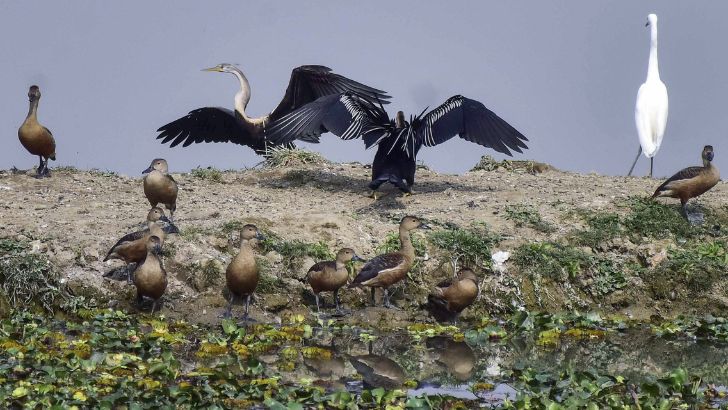
Conservationists warn that a 90 per cent reduction in the buffer could increase commercial development around Kaziranga (ANI)
Guwahati, 12 August
The Assam government is proposing to reduce the default eco-sensitive zone (ESZ) around Kaziranga National Park from 10 km to 1 km, raising concerns that development could come at the cost of wildlife and its habitat.
Kaziranga is home to more than 2,600 one-horned rhinos, over 140 tigers, and large populations of elephants and other wildlife. Its surrounding forests and grasslands are vital for animal movement, feeding and breeding.
Chief Minister Himanta Biswa Sarma on Wednesday defended the proposal, saying the 10-km zone has stalled infrastructure, housing and public welfare projects in peripheral towns such as Bokakhat, Kaliabor and Jakhalabandha. The state plans to approach the Centre and the National Board for Wildlife within two months to formally seek a 1-km ESZ, with Sarma citing a proposed modern sports stadium in Bokakhat as one project that could benefit.
The proposal comes amid scrutiny over major hospitality Conservationists warn that shrinking the buffer by 90 per cent could accelerate real estate, luxury resorts, commercial con, including an ATDC-backed five-star resort involving Juniper Hotels/Hyatt-linked entities and a luxury resort planned by Indian Hotels Company Ltd (IHCL) at the Tata-owned Hathikuli tea estate. Conservationists warn that shrinking the buffer by 90 per cent could accelerate real estate, luxury resorts, commercial construction and mining.
The stakes are especially high during Kaziranga’s annual floods, which can submerge up to 80-90 per cent of the park. Wildlife moves towards the higher Karbi Anglong hills through surrounding areas. A narrower buffer could push animals into expanding towns, roads and commercial developments, worsening human-wildlife conflict and weakening safeguards against illegal stone, sand and soil mining.
Share Now

Leave a Reply
Your email address will not be published. Required fields are marked *
Other Stories





.png)
.png)
.jpg)
